
Common Hose Reel Irrigation Problems and How To Fix Them
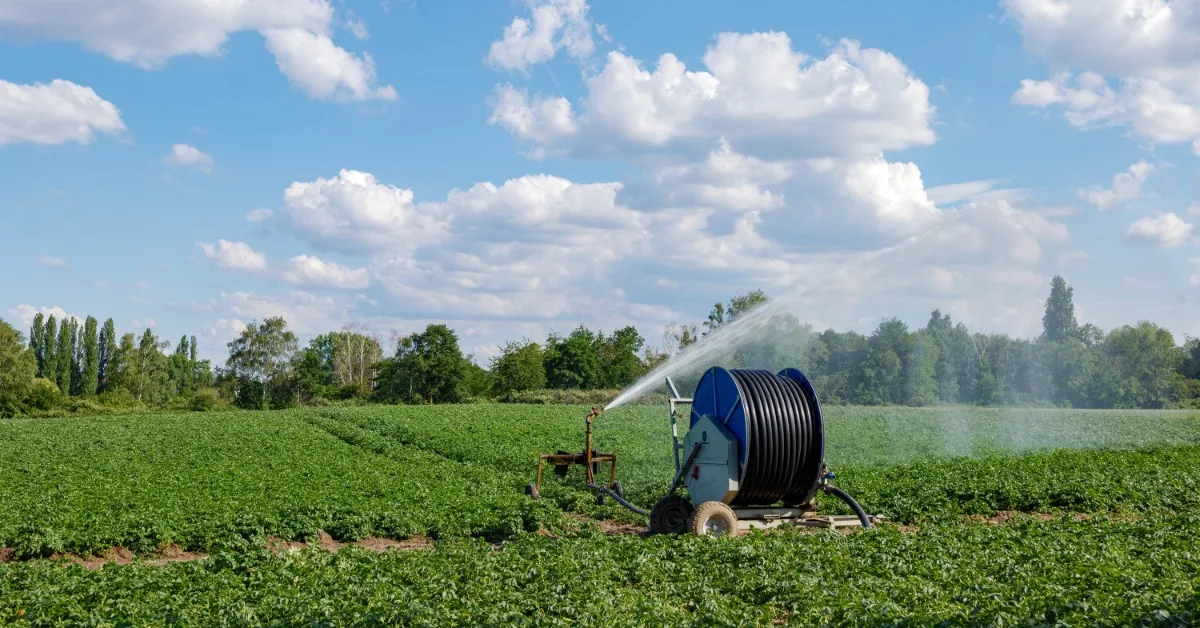
A hose reel may finish one pass smoothly and struggle during the next. Changes in pressure or travel speed can signal common hose reel irrigation problems before a run fails, but how can you fix these errors altogether?
Prompt attention protects crops and limits wasted pumping time. By carefully inspecting each component, you can prevent a minor adjustment from turning into damaged hose.
The Hose Produces Low Water Pressure
A weak spray pattern that fails to reach the full travel is the first sign of low water pressure. In many cases, leaks in the line or clogged intake screens restrict flow before water ever reaches the nozzle. Worn nozzles or a pump that no longer delivers full output can create the same effect.
Gauge readings will narrow down the source of the issue. They communicate whether the pressure drop starts at the supply or at the sprinkler itself. If debris is the root cause of restricted water flow, clean the screen. If the pressure still falls short after these checks, the nozzle or pump likely needs close inspection to restore consistent coverage.
The Hose Binds on the Reel
Incorrect coiling occurs when the hose does not lay evenly across the drum during retraction. One section can slip under another and form a tight overlap, becoming a pinch point that increases resistance. A misaligned guide, worn rollers, and debris buildup can shift the hose off its intended path.
To correct a binding hose, operators should first relieve tension so the reel can settle without strain. Once the system relaxes, the hose is likely to shift into a natural position. Cleaning the guide assembly, removing debris, and checking for worn or loose components restores alignment.
If the hose has already developed flat spots or permanent kinks, it may continue to bind even after adjustments. Replacing the affected portion may be necessary to prevent repeat issues.
The Water Turbine Cannot Pull the Hose
A water turbine relies on steady water pressure to pull the hose back onto the reel. When the hose creates too much resistance, the turbine struggles to keep up, and the reel slows or stops. This often happens when the hose drags through soft soil, tight bends, or uneven terrain that increases friction along the line.
You can often improve performance by straightening the hose path and removing sharp turns that add unnecessary drag. Clearing mud buildup or debris along the travel route also helps the hose move more freely. If the problem continues, check for reduced water flow or internal turbine wear.
The Sprinkler Cannot Complete a Full Arc
A sprinkler that cannot complete a full arc leaves dry strips next to overly saturated areas. This problem often starts when debris builds up around the drive arm and restricts movement. Worn gears, stiff bearings, or incorrect arc settings can also interrupt smooth rotation and shorten the spray range.
Clearing dirt and plant material from the moving parts, as well as adjusting the arc setting, will typically restore the sprinkler’s path. If the sprinkler still struggles, worn internal components may need replacing to regain full rotation.
Strengthen Hose Reel Irrigation Performance
Being able to identify the most common hose reel irrigation problems streamlines the repair process. FarmHQ adds remote updates and alerts to existing hard hose reels and travelers, helping growers see movement, pressure changes, and run status in real time. With improved visibility, preventing small issues is simple. Contact FarmHQ to learn how monitoring and pump control tools can support reliable hose reel irrigation system performance.