
How Smart Hose Reels Improve Irrigation Timing and Coverage
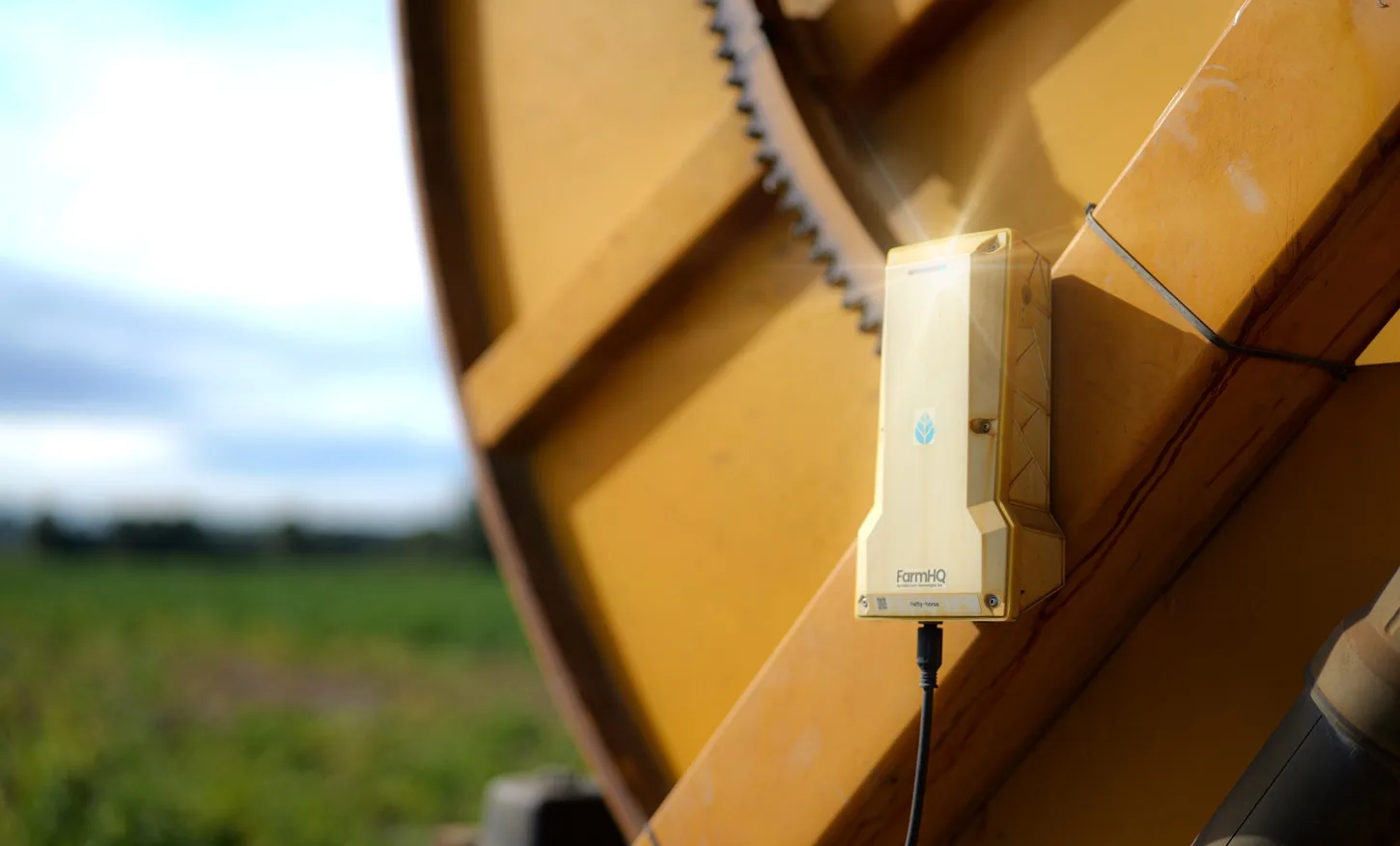
Irrigation timing depends on knowing how a hose reel moves, not simply what happens after turning on the pump. A sprinkler cart that slows, stops, or finishes at an unexpected time risks leaving one part of a field with an unintended application. By demonstrating what happens throughout each pull, smart hose reels improve irrigation timing without forcing growers to rely on periodic field checks.
Track Retraction Speed During Each Run
The sprinkler applies water continuously as the cart moves across the field. If the cart slows but flow remains steady, that section receives extra water. If the cart moves too quickly, the same area receives a reduced amount of water before the sprinkler passes.
Remote speed monitoring gives growers a running view of that movement. A noticeable change may signal a hose, drive, or field condition that requires inspection before damaging a large section of the pull.
Use Finish-Time Estimates To Plan Moves
During a busy day, a hose reel is unlikely to operate alone. Crews may have another field waiting, a pump change to coordinate, or a reel that requires repositioning after the current run.
Estimated completion times help growers plan those moves around actual progress. If travel speed changes, the crew is able to decide when to return according to the updated finish estimate.
Catch Stalled Travel Before Coverage Gaps
A stopped sprinkler cart generates immediate timing problems. Water continues landing in one area when the pump keeps running, and the rest of the lane receives nothing.
Movement alerts reduce the time a stalled traveler goes unnoticed. Once growers are aware of the stopped cart, they can limit excess application near the sprinkler and missed coverage down the pull.
Review Application Rate During Operation
Speed tells part of the story, but flow and application-rate information give growers essential context. A reel may remain on pace even when changing water delivery affects how much irrigation reaches the crop.
Monitoring estimated flow and application rate helps connect cart movement with water delivery. If a run isn’t matching the intended setup, operators have useful information to investigate the difference.
Use Run Records To Refine Timing
Past runs provide a useful reference when similar fields, crops, or reel setups come up again. Records of irrigation activity help growers compare how long pulls took and how the system performed under previous settings.
Patterns stand out when a reel repeatedly finishes outside the expected window or produces inconsistent application results. Reviewing those records helps growers adjust future schedules using field experience instead of relying entirely on memory.
Connect Timing and Coverage
When growers monitor travel progress, speed, and water application throughout a run, smart hose reels improve coverage by giving them the information to spot uneven performance. Enhanced visibility helps growers keep irrigation timing connected to actual events occurring in the field instead of relying on performance assumptions.
FarmHQ equips existing irrigation hose reels with remote monitoring, alerts, application data, and pump-control options that give growers insight into each run. Discover how our monitoring technology will improve irrigation management and output quality.