
Predictive Analytics: Boosting Irrigation Pump Efficiency
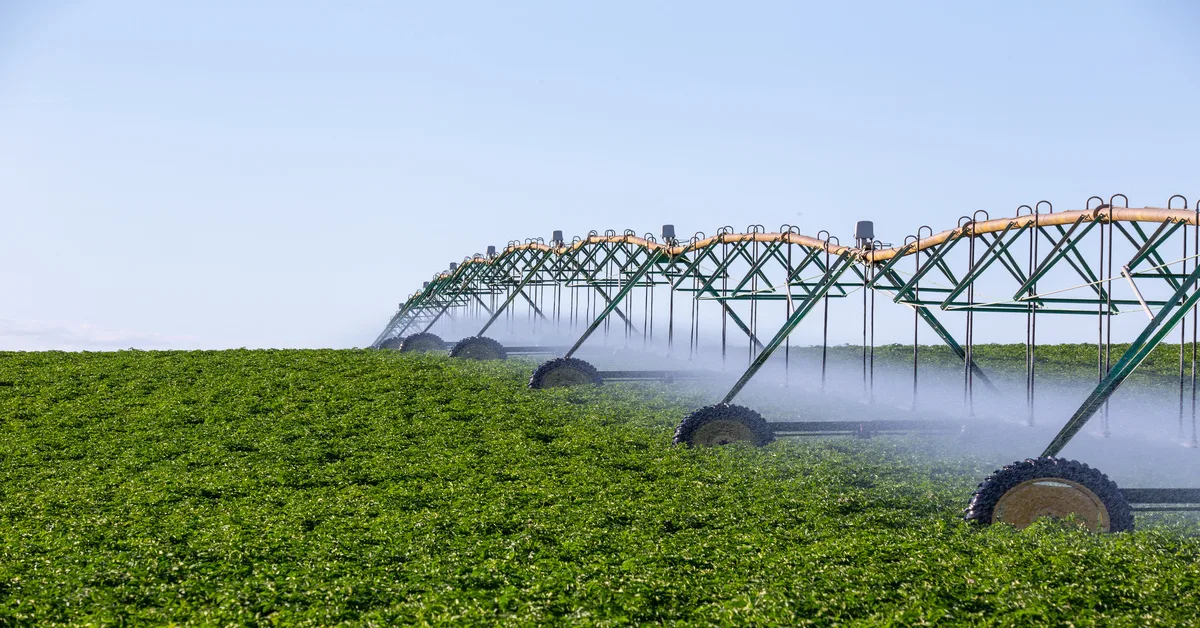
Modern agriculture faces pressure to maximize crop yields while minimizing resource consumption. Irrigation pump efficiency directly impacts both profitability and sustainability, making optimization critical for farming operations.
Predictive analytics offers a data-driven approach to enhance pump performance, reduce downtime, and extend equipment lifespan. Learn more about pump efficiency and how predictive analytics can boost it through this quick guide.
Understanding Predictive Analytics in Agriculture
Predictive analytics uses historical data, machine learning algorithms, and real-time monitoring to forecast equipment behavior and performance trends. This technology analyzes patterns in pump operation data to identify potential issues before they cause system failures. Farmers can leverage these insights to make informed decisions about maintenance schedules, operational adjustments, and resource allocation.
The technology transforms traditional reactive maintenance approaches into proactive management strategies. Instead of waiting for equipment failures, predictive analytics enables farmers to address problems during their early stages when completing repairs is less costly and requires less downtime.
Key Factors in Irrigation Pump Efficiency
Irrigation pump efficiency depends on several interconnected variables affecting system performance. Water pressure fluctuations, flow rate variations, and energy consumption patterns provide valuable data points for analysis. Motor temperature, vibration levels, and electrical current draw also serve as indicators of pump health and operational efficiency.
External factors such as seasonal demand changes, soil moisture levels, and crop growth stages influence pump workload requirements. Predictive analytics systems monitor these variables continuously, creating comprehensive data that reveals optimization opportunities.
How Predictive Analytics Enhances Pump Performance
Advanced monitoring systems collect real-time data from pressure sensors, flow meters, and electrical monitoring devices installed on irrigation pumps. The system can identify patterns that indicate declining efficiency, such as gradual increases in energy consumption or decreasing flow rates.
Farmers can compare statistics like water consumption with quotas across their entire farm. This approach ensures pumps operate during peak efficiency periods while avoiding unnecessary energy consumption during low-demand times. This precision reduces water waste while ensuring crops receive adequate moisture for optimal growth.
Benefits of Implementing Predictive Analytics
Farmers using predictive analytics report significant improvements in operational efficiency and cost savings. Early detection of potential problems reduces emergency repair costs and prevents crop damage from irrigation system failures. Energy consumption typically decreases as pumps operate within optimal parameters more consistently.
Farmers can then schedule maintenance more strategically by planning repairs during off-season periods when labor and parts are more readily available. Equipment lifespan extends as pumps receive proper care based on actual condition rather than arbitrary time intervals.
Maximizing Your Irrigation Investment
Predictive analytics transforms irrigation pump efficiency from guesswork into data-driven decision making. The technology pays for itself through reduced maintenance costs, improved energy efficiency, and extended equipment life. Smart pump systems provide the foundation for implementing these advanced analytics capabilities.
Ready to upgrade your irrigation efficiency? Explore comprehensive remote pump monitoring systems and control solutions at FarmHQ to discover how predictive analytics can transform your farming operations.